
Essential details
Shipping:express delivery
Product Introduction
C-shaped channel steel Size

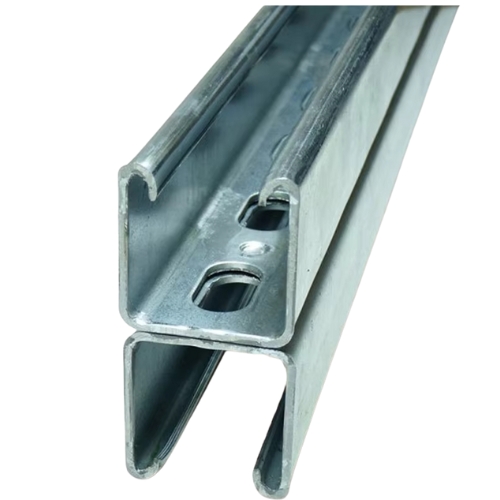
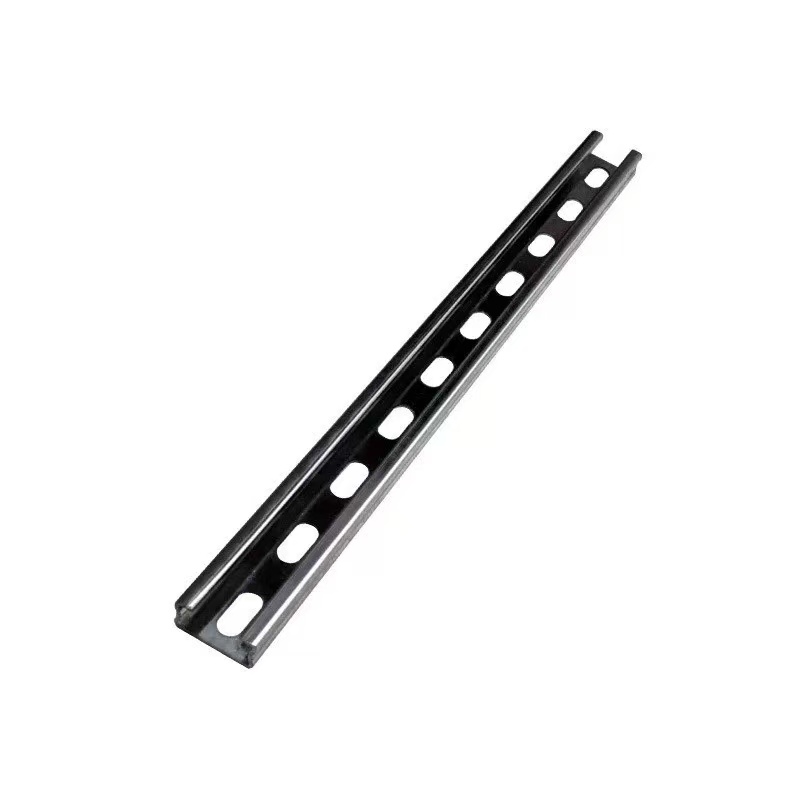
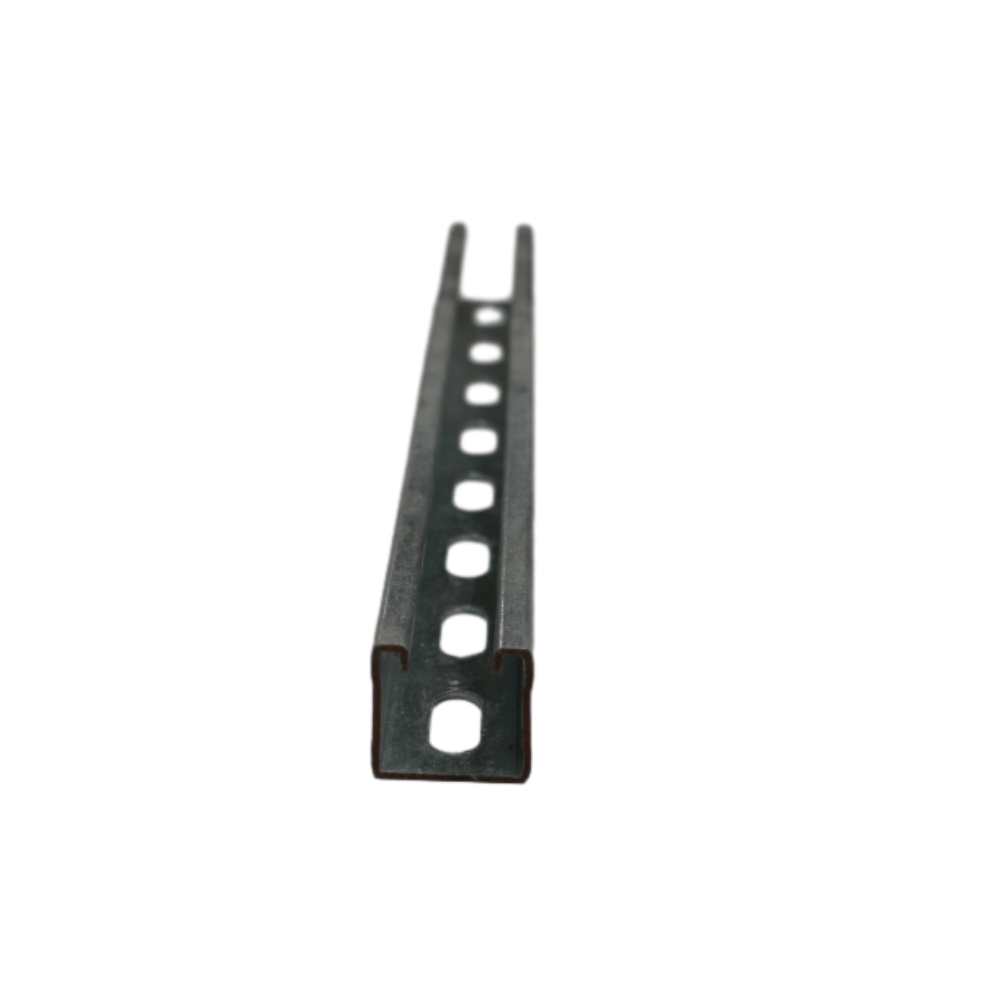
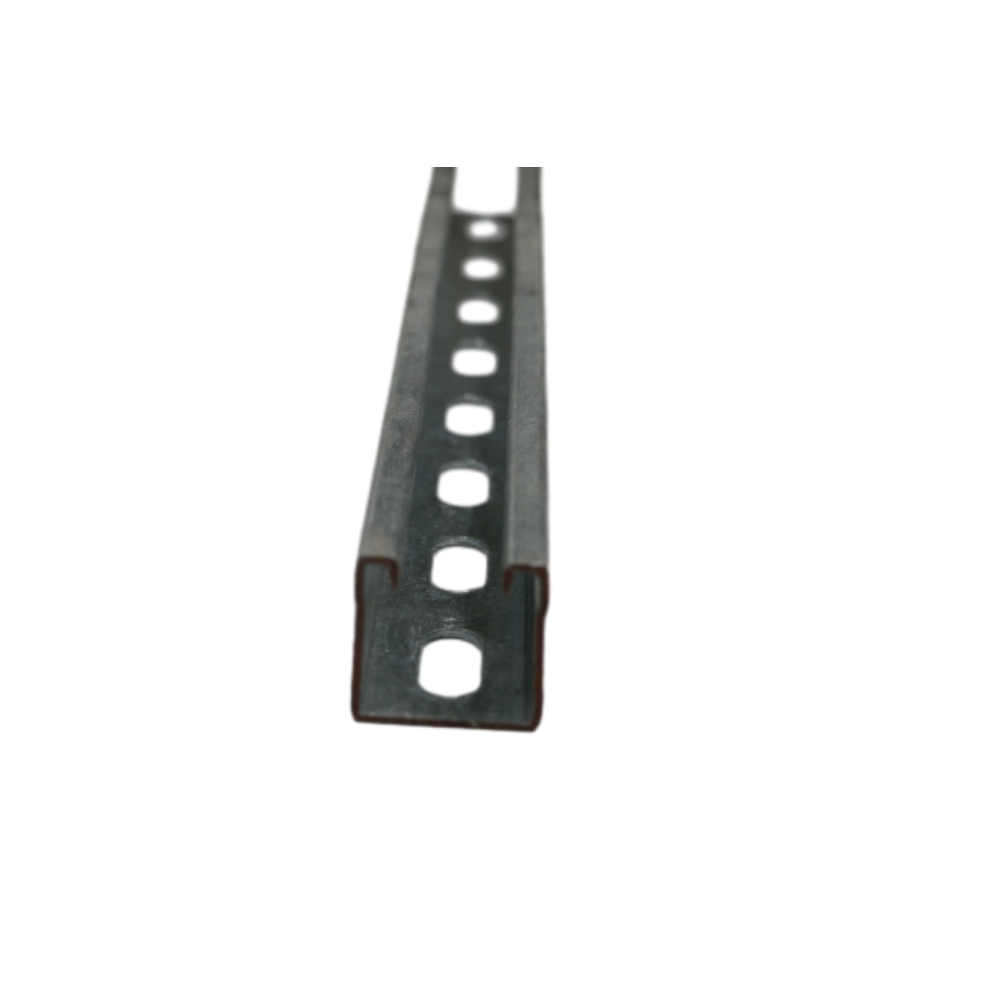
C-shaped channel steel (commonly called C-channel or simply channel) is a hot-rolled carbon steel structural profile with a distinctive "C" cross-section when viewed end-on. Here's a breakdown of its key features and uses:
Key Characteristics:
1. Cross-Section:
A central vertical web.
Two horizontal flanges (top and bottom) projecting perpendicularly from *one side* of the web.
The inner edges of the flanges are typically tapered (sloping), distinguishing it from U-channels (which often have parallel flanges).
2. Dimensions: Designated by:
Depth: The height of the web (e.g., 3", 4", 6").
Flange Width: The width of the horizontal flanges.
Web Thickness: The thickness of the vertical section.
Weight per Foot/Meter: Often used as the primary identifier (e.g., C3x4.1).
3. Material: Primarily hot-rolled carbon steel (A36 grade common in the US). Also available in stainless steel, aluminum, and other alloys for specific applications.
4. Standardization: Manufactured to standard dimensions (e.g., ASTM A36 in the US, EN standards in Europe, JIS in Japan).
1. Cross-Section:
A central vertical web.
Two horizontal flanges (top and bottom) projecting perpendicularly from *one side* of the web.
The inner edges of the flanges are typically tapered (sloping), distinguishing it from U-channels (which often have parallel flanges).
2. Dimensions: Designated by:
Depth: The height of the web (e.g., 3", 4", 6").
Flange Width: The width of the horizontal flanges.
Web Thickness: The thickness of the vertical section.
Weight per Foot/Meter: Often used as the primary identifier (e.g., C3x4.1).
3. Material: Primarily hot-rolled carbon steel (A36 grade common in the US). Also available in stainless steel, aluminum, and other alloys for specific applications.
4. Standardization: Manufactured to standard dimensions (e.g., ASTM A36 in the US, EN standards in Europe, JIS in Japan).
Advantages:
Good Strength-to-Weight Ratio: Provides significant strength (especially against bending along its strong axis - parallel to the web) while being relatively lightweight.
Stiffness: Resists bending and buckling effectively.
Ease of Fabrication: Relatively easy to cut, drill, weld, and bolt.
Versatility: Can be used alone or easily assembled with other structural elements (plates, angles, other channels).
Cost-Effective: A readily available and economical structural solution.
Good Strength-to-Weight Ratio: Provides significant strength (especially against bending along its strong axis - parallel to the web) while being relatively lightweight.
Stiffness: Resists bending and buckling effectively.
Ease of Fabrication: Relatively easy to cut, drill, weld, and bolt.
Versatility: Can be used alone or easily assembled with other structural elements (plates, angles, other channels).
Cost-Effective: A readily available and economical structural solution.
Common Applications:
1. Structural Framing: Purlin and girts in metal buildings, floor joists, roof supports, wall studs, lightweight trusses.
2. Supports & Braces: Framing for machinery bases, equipment supports, conveyor systems, platforms, mezzanines, racks.
3. Edges & Trim: Protecting edges of concrete, countertops, or other materials; providing a finished look.
4. Framing Members: In trailers, truck beds, rail cars, framing for doors/windows.
5. Architectural Features: Exposed structural elements, trim details, handrails (less common than tube).
6. Industrial Applications: Frames for workbenches, carts, guards, enclosures.
1. Structural Framing: Purlin and girts in metal buildings, floor joists, roof supports, wall studs, lightweight trusses.
2. Supports & Braces: Framing for machinery bases, equipment supports, conveyor systems, platforms, mezzanines, racks.
3. Edges & Trim: Protecting edges of concrete, countertops, or other materials; providing a finished look.
4. Framing Members: In trailers, truck beds, rail cars, framing for doors/windows.
5. Architectural Features: Exposed structural elements, trim details, handrails (less common than tube).
6. Industrial Applications: Frames for workbenches, carts, guards, enclosures.
Key Differences from Similar Profiles:
U-Channel: Has flanges that are typically parallel (not tapered) and may project equally from both sides. Often used more for edging or bracketry than primary structural framing. The terms are sometimes used loosely/interchangeably, but tapered flanges are the hallmark of "C" channel.
I-Beam (W-Beam / S-Beam): Has flanges projecting symmetrically from \*both sides\* of the web, forming an "I" or "H" shape. Much stronger and used for larger primary beams/columns.
Angle Iron (L-Shape): Has two legs meeting at a 90-degree angle. Less stiff than a comparable C-channel for many applications.
Square/Rectangular Tube (HSS): Enclosed profile offering high torsional stiffness. More expensive but provides a cleaner look.
U-Channel: Has flanges that are typically parallel (not tapered) and may project equally from both sides. Often used more for edging or bracketry than primary structural framing. The terms are sometimes used loosely/interchangeably, but tapered flanges are the hallmark of "C" channel.
I-Beam (W-Beam / S-Beam): Has flanges projecting symmetrically from \*both sides\* of the web, forming an "I" or "H" shape. Much stronger and used for larger primary beams/columns.
Angle Iron (L-Shape): Has two legs meeting at a 90-degree angle. Less stiff than a comparable C-channel for many applications.
Square/Rectangular Tube (HSS): Enclosed profile offering high torsional stiffness. More expensive but provides a cleaner look.
In essence: C-channel is a fundamental, versatile, and cost-effective structural steel shape prized for its good strength, ease of use, and wide applicability in construction, manufacturing, and industrial settings, particularly where open framing or edge support is needed. Its tapered flanges are its key visual identifier.


Certificate
