
Essential details
Shipping:Express Delivery
Product Introduction
Cable Ladder Tray Size


Of course. Let's dive into the specifics of a Cable Ladder Tray.
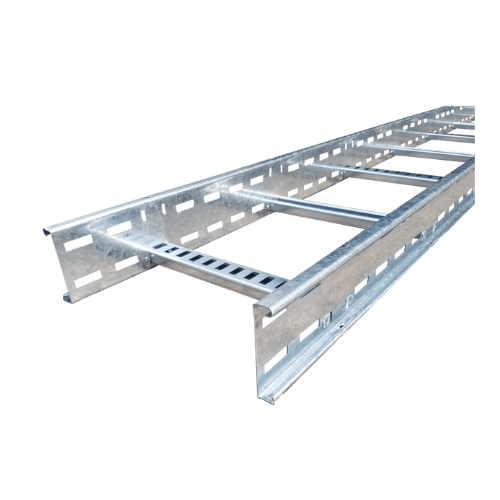
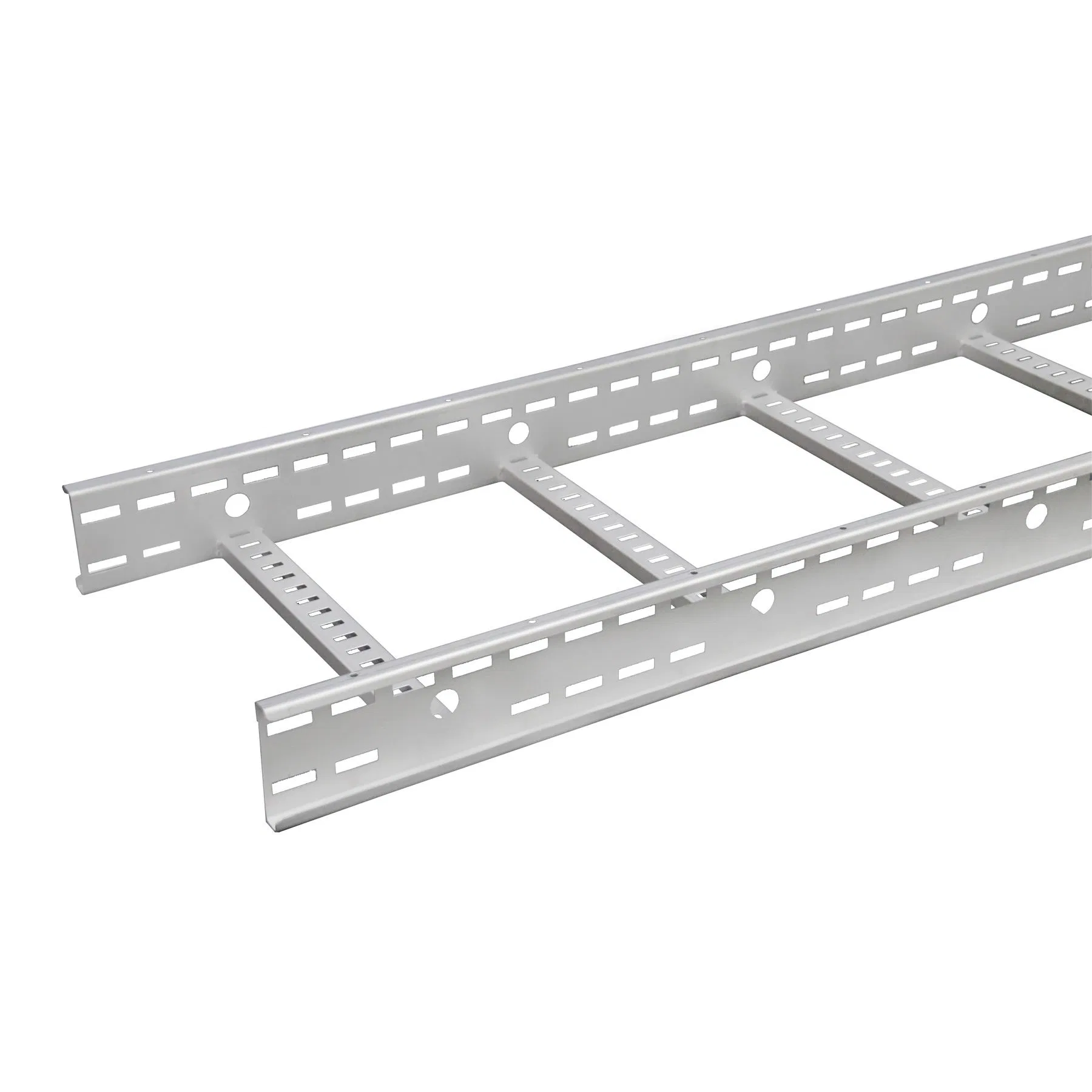
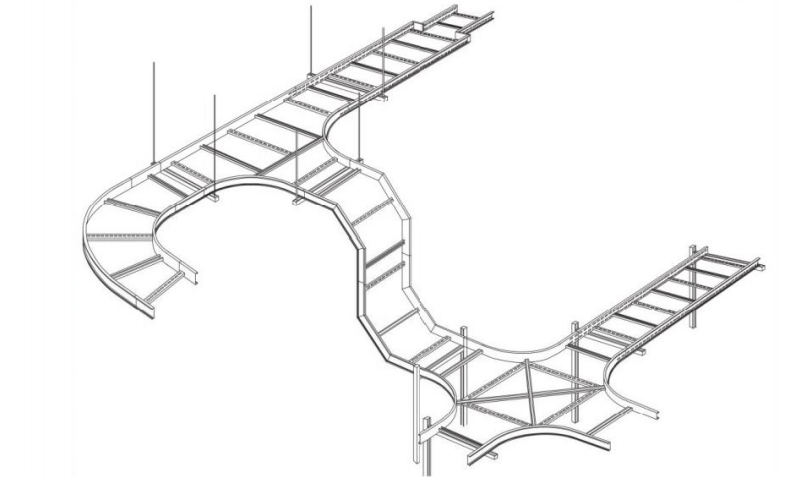
A Cable Ladder Tray is a specific type of cable management system designed to support and organize large quantities of heavy power or data cables over long distances in industrial and commercial settings. It gets its name from its resemblance to a ladder, consisting of two longitudinal side rails connected by individual, evenly spaced rungs (crossbars).
Here’s a detailed breakdown of its characteristics, uses, and advantages:
🔧 1. Structure and Design
Side Rails: The two main longitudinal beams that provide the primary structural support. They are typically tall and robust to maximize strength and load-bearing capacity.
Rungs: Solid, flat, or rounded crossbars that connect the two side rails at regular intervals (e.g., every 9, 12, or 18 inches). These rungs provide the surface for the cables to rest on.
Open Design: The key feature is the large open space between rungs, which allows for maximum airflow, heat dissipation, and easy access to cables anywhere along the run.
Rungs: Solid, flat, or rounded crossbars that connect the two side rails at regular intervals (e.g., every 9, 12, or 18 inches). These rungs provide the surface for the cables to rest on.
Open Design: The key feature is the large open space between rungs, which allows for maximum airflow, heat dissipation, and easy access to cables anywhere along the run.
🛠️ 2. Common Materials
Steel: The most common material, often hot-dip galvanized for exceptional corrosion resistance. This is the standard for heavy-industry applications like power plants and factories.
Stainless Steel: Used in environments with extreme corrosion concerns, such as chemical processing plants, food and beverage facilities, and coastal areas.
Aluminum: Preferred for its lightweight properties, natural corrosion resistance, and non-magnetic nature. Ideal for data centers and telecommunications.
Stainless Steel: Used in environments with extreme corrosion concerns, such as chemical processing plants, food and beverage facilities, and coastal areas.
Aluminum: Preferred for its lightweight properties, natural corrosion resistance, and non-magnetic nature. Ideal for data centers and telecommunications.
---
🏭 3. Primary Applications
Cable ladder trays are the workhorse for heavy-duty cable support in a wide range of industries:
Power Generation & Distribution: Supporting large, heavy power cables in plants and substations.
Industrial Facilities: Factories, manufacturing plants, and refineries where robust support for instrumentation and power cables is needed.
Data Centers: Managing vast bundles of fiber optic and copper data cables, where their open design is crucial for cooling.
Telecommunications: Central offices and network infrastructure.
Large Commercial Buildings: For main cable runs (risers) in electrical rooms and above ceilings.
Industrial Facilities: Factories, manufacturing plants, and refineries where robust support for instrumentation and power cables is needed.
Data Centers: Managing vast bundles of fiber optic and copper data cables, where their open design is crucial for cooling.
Telecommunications: Central offices and network infrastructure.
Large Commercial Buildings: For main cable runs (risers) in electrical rooms and above ceilings.
✅ 4. Key Advantages
Superior Strength & High Load Capacity: Designed to hold the heaviest cables over the longest unsupported spans (e.g., 6 meters / 20 feet or more) without sagging.
Excellent Ventilation: The open rung design allows heat generated by cables to dissipate easily, which is critical for preventing overheating and maintaining cable performance and longevity.
Easy Access and Flexibility: Cables can be added, removed, or rearranged easily from any point along the tray. This makes maintenance and future upgrades very simple.
Durability: Built from robust materials to withstand harsh environments, physical impact, and heavy loads.
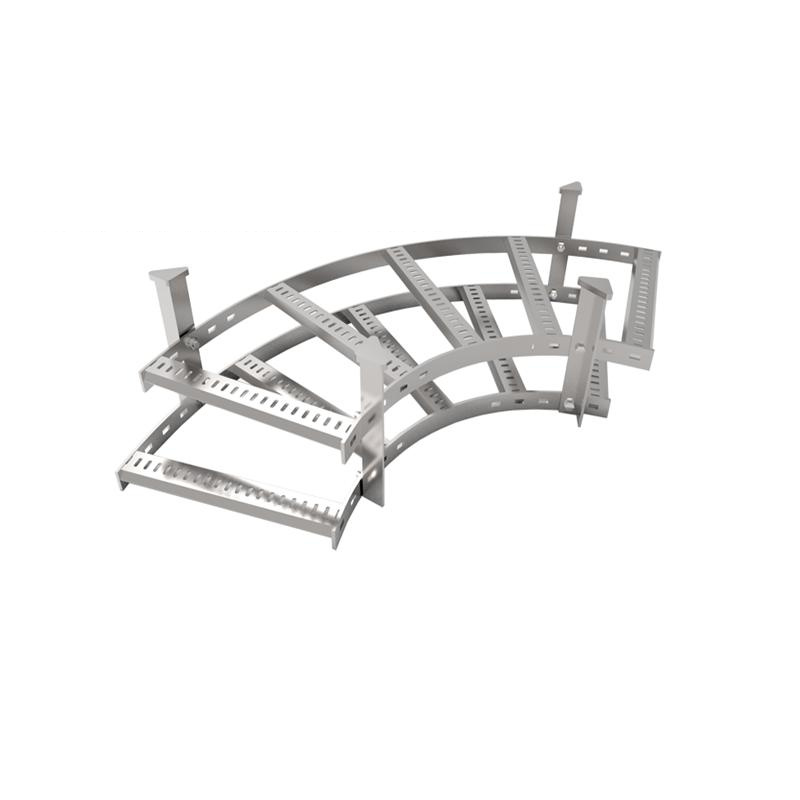
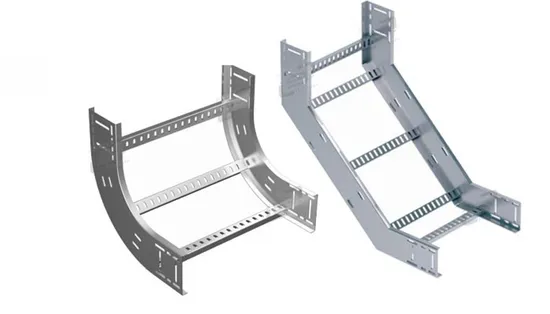
Modularity: Easily assembled with fittings like elbows, tees, and reducers to navigate around obstacles and create complex pathways.
Excellent Ventilation: The open rung design allows heat generated by cables to dissipate easily, which is critical for preventing overheating and maintaining cable performance and longevity.
Easy Access and Flexibility: Cables can be added, removed, or rearranged easily from any point along the tray. This makes maintenance and future upgrades very simple.
Durability: Built from robust materials to withstand harsh environments, physical impact, and heavy loads.
Modularity: Easily assembled with fittings like elbows, tees, and reducers to navigate around obstacles and create complex pathways.
⚠️ 5. Considerations and Limitations
Less Protection: The open design offers no protection from falling debris, dust, moisture, or direct physical contact. It is not suitable for areas where these are significant concerns unless used with a cover.
Not for Small Cables: Very small, individual cables can slip through the rungs and may require a solid-bottom insert or a different type of tray.
Not for Small Cables: Very small, individual cables can slip through the rungs and may require a solid-bottom insert or a different type of tray.
🔄 6. Cable Ladder Tray vs. Other Systems
It's helpful to distinguish it from other common cable support methods:
| Feature | Cable Ladder Tray | Perforated Cable Tray | Wire Mesh Tray | Solid Bottom Tray |
| Structure | Open rungs | Solid base with holes/perforations | Woven wire mesh | Solid, enclosed base |
| Load Capacity | Very High | Medium to High | Low to Medium | High |
| Ventilation | Excellent | Good | Excellent | Poor |
| Cable Access | Easy from top/sides | Easy from top/sides | Easy from all sides | Difficult (must remove cover) |
| Best For | Heavy power cables, long spans, data centers | Light/medium power, general purpose | Lightweight data/telecom cables, office ceilings | Dusty/moist environments, maximum protection |
| Structure | Open rungs | Solid base with holes/perforations | Woven wire mesh | Solid, enclosed base |
| Load Capacity | Very High | Medium to High | Low to Medium | High |
| Ventilation | Excellent | Good | Excellent | Poor |
| Cable Access | Easy from top/sides | Easy from top/sides | Easy from all sides | Difficult (must remove cover) |
| Best For | Heavy power cables, long spans, data centers | Light/medium power, general purpose | Lightweight data/telecom cables, office ceilings | Dusty/moist environments, maximum protection |
---
💎 Key Takeaway
A Cable Ladder Tray is the go-to solution for supporting heavy cable loads over long distances where strength
Aladder tray is a type of support system used primarily in industrial and electrical applications for organizing and carrying cables, pipes, or other linear components. Its name comes from its resemblance to a ladder, featuring two parallel side rails connected by equidistant rungs or crossbars. Below is a detailed explanation of its characteristics, types, applications, and considerations:
🔧 1.Structure and Design
-Basic Structure: Consists of two longitudinal side rails connected by transverse rungs (crossbars) at regular intervals, forming an open, ladder-like framework .
-Materials: Commonly made from metals such assteel, aluminum, or stainless steel to ensure durability, corrosion resistance, and load-bearing capacity. For example, aluminum alloy 6063-T6 is often used for its strength and lightweight properties .
-Design Variations: Some ladder trays include additional features likeperforations for drainage and ventilation,covers for protection against UV light, dust, or vandalism, andI-beam designs for enhanced strength and longer spans .
-Basic Structure: Consists of two longitudinal side rails connected by transverse rungs (crossbars) at regular intervals, forming an open, ladder-like framework .
-Materials: Commonly made from metals such assteel, aluminum, or stainless steel to ensure durability, corrosion resistance, and load-bearing capacity. For example, aluminum alloy 6063-T6 is often used for its strength and lightweight properties .
-Design Variations: Some ladder trays include additional features likeperforations for drainage and ventilation,covers for protection against UV light, dust, or vandalism, andI-beam designs for enhanced strength and longer spans .
🏭 2.Types and Variations
-Standard Ladder Tray: Open design for easy access and ventilation, suitable for heavy-duty cables .
-Ventilated Tray: Features perforations or slots for improved airflow and drainage, often used in humid environments .
-Covered Ladder Tray: Includes a cover to protect cables from external factors like weather, dust, or physical damage .
-Specialized Designs: Includingadjustable trays for flexible installation andaluminum I-beam trays for long-span applications with heavy loads .
-Standard Ladder Tray: Open design for easy access and ventilation, suitable for heavy-duty cables .
-Ventilated Tray: Features perforations or slots for improved airflow and drainage, often used in humid environments .
-Covered Ladder Tray: Includes a cover to protect cables from external factors like weather, dust, or physical damage .
-Specialized Designs: Includingadjustable trays for flexible installation andaluminum I-beam trays for long-span applications with heavy loads .
⚙️ 3.Applications
-Electrical and Data Cabling: Widely used in power distribution, data centers, and telecommunications for supporting heavy cables over long spans. Its open design allows for heat dissipation, reducing the risk of cable overheating .
-Industrial Settings: Ideal for chemical plants, refineries, and manufacturing facilities where robust support for cables or pipes is required .
-Building Infrastructure: Used in commercial and residential buildings for organizing cables in ceilings, walls, or under floors .
-Outdoor and Harsh Environments: Aluminum or stainless-steel trays are preferred for corrosion resistance in outdoor or corrosive environments .
-Electrical and Data Cabling: Widely used in power distribution, data centers, and telecommunications for supporting heavy cables over long spans. Its open design allows for heat dissipation, reducing the risk of cable overheating .
-Industrial Settings: Ideal for chemical plants, refineries, and manufacturing facilities where robust support for cables or pipes is required .
-Building Infrastructure: Used in commercial and residential buildings for organizing cables in ceilings, walls, or under floors .
-Outdoor and Harsh Environments: Aluminum or stainless-steel trays are preferred for corrosion resistance in outdoor or corrosive environments .
💡 4.Advantages
-High Load Capacity: Suitable for supporting heavy cables and pipes over long distances without sagging .
-Ventilation and Cooling: The open design promotes airflow, preventing cable overheating .
-Ease of Installation and Maintenance: Modular designs allow for quick assembly with minimal hardware. For example, some systems require 50% fewer bolts and install 30% faster than standard trays .
-Flexibility: Easy to modify or expand with accessories like elbows, tees, and reducers .
-High Load Capacity: Suitable for supporting heavy cables and pipes over long distances without sagging .
-Ventilation and Cooling: The open design promotes airflow, preventing cable overheating .
-Ease of Installation and Maintenance: Modular designs allow for quick assembly with minimal hardware. For example, some systems require 50% fewer bolts and install 30% faster than standard trays .
-Flexibility: Easy to modify or expand with accessories like elbows, tees, and reducers .
⚠️ 5.Considerations
-Environmental Exposure: Open trays may not be suitable for areas with high dust, moisture, or risk of physical damage unless covered .
-Safety and Compliance: Must adhere to standards such asNEC 392.60 (for grounding) ,IEC 61537, andNEMA VE-1 .
-Cost: Generally more cost-effective than fully enclosed systems like cable trunking but may require additional accessories for protection .
-Environmental Exposure: Open trays may not be suitable for areas with high dust, moisture, or risk of physical damage unless covered .
-Safety and Compliance: Must adhere to standards such asNEC 392.60 (for grounding) ,IEC 61537, andNEMA VE-1 .
-Cost: Generally more cost-effective than fully enclosed systems like cable trunking but may require additional accessories for protection .
📊 6.Comparison with Other Cable Support Systems
|Type |Structure
|Best For |Pros
|Cons |
|Ladder Tray | Open, rung-based design | Heavy cables, long spans
| High strength, ventilation, easy access
| Less protection from environmental factors |
|Perforated Tray | Solid base with perforations| Light to medium cables
| Better protection than ladder trays
| Limited ventilation |
|Solid Bottom Tray | Fully enclosed base | Dusty/moist environments
| Maximum protection
| Poor ventilation, harder to install |
|Wire Mesh Tray | Metal mesh framework | Lightweight cables, easy access
| Flexible, lightweight
| Lower load capacity |
|Type |Structure
|Best For |Pros
|Cons |
|Ladder Tray | Open, rung-based design | Heavy cables, long spans
| High strength, ventilation, easy access
| Less protection from environmental factors |
|Perforated Tray | Solid base with perforations| Light to medium cables
| Better protection than ladder trays
| Limited ventilation |
|Solid Bottom Tray | Fully enclosed base | Dusty/moist environments
| Maximum protection
| Poor ventilation, harder to install |
|Wire Mesh Tray | Metal mesh framework | Lightweight cables, easy access
| Flexible, lightweight
| Lower load capacity |
💎 7.Key Takeaways
- Ladder trays areopen-structured support systems ideal for heavy cables, long spans, and environments requiring ventilation.
- They areversatile, durable, and easy to install, making them popular in industrial and electrical projects.
- Selection should considerload requirements, environmental conditions, and compliance with industry standards.
- Ladder trays areopen-structured support systems ideal for heavy cables, long spans, and environments requiring ventilation.
- They areversatile, durable, and easy to install, making them popular in industrial and electrical projects.
- Selection should considerload requirements, environmental conditions, and compliance with industry standards.

