
Essential details
Shipping:express delivery
Product Introduction
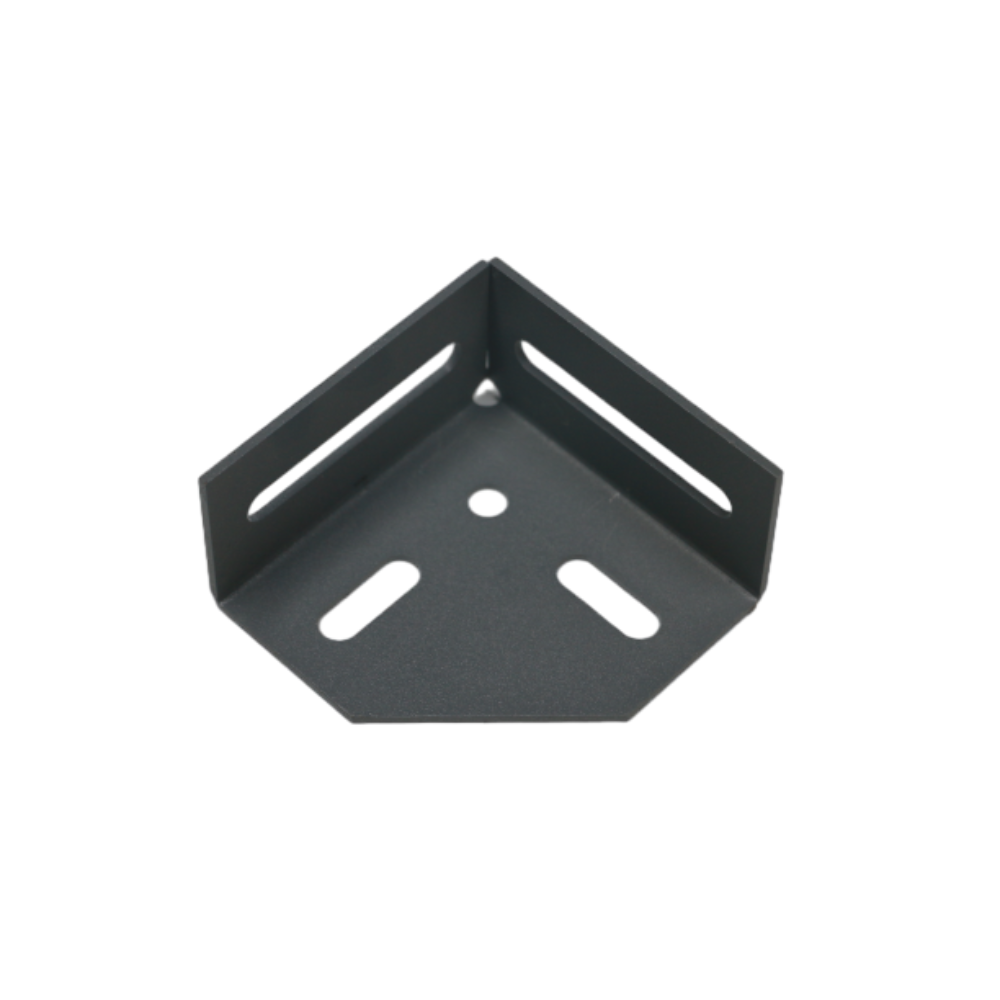
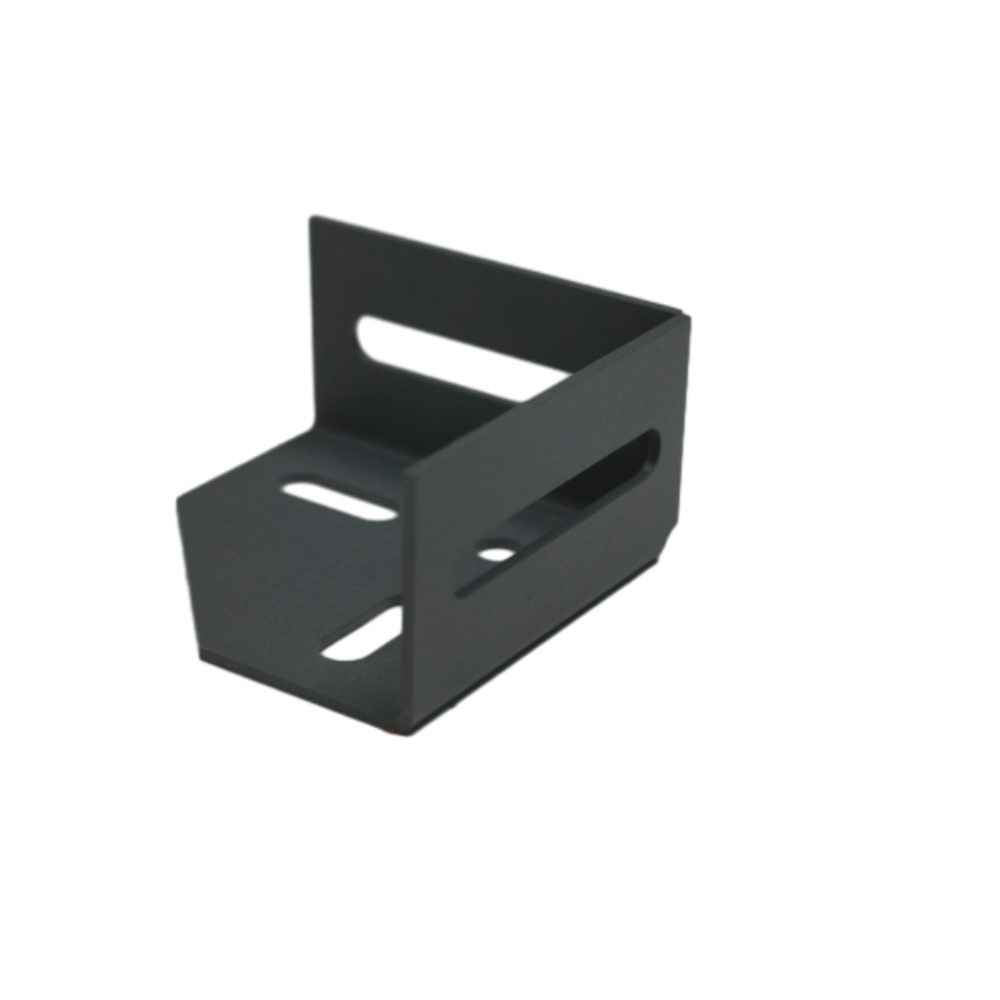
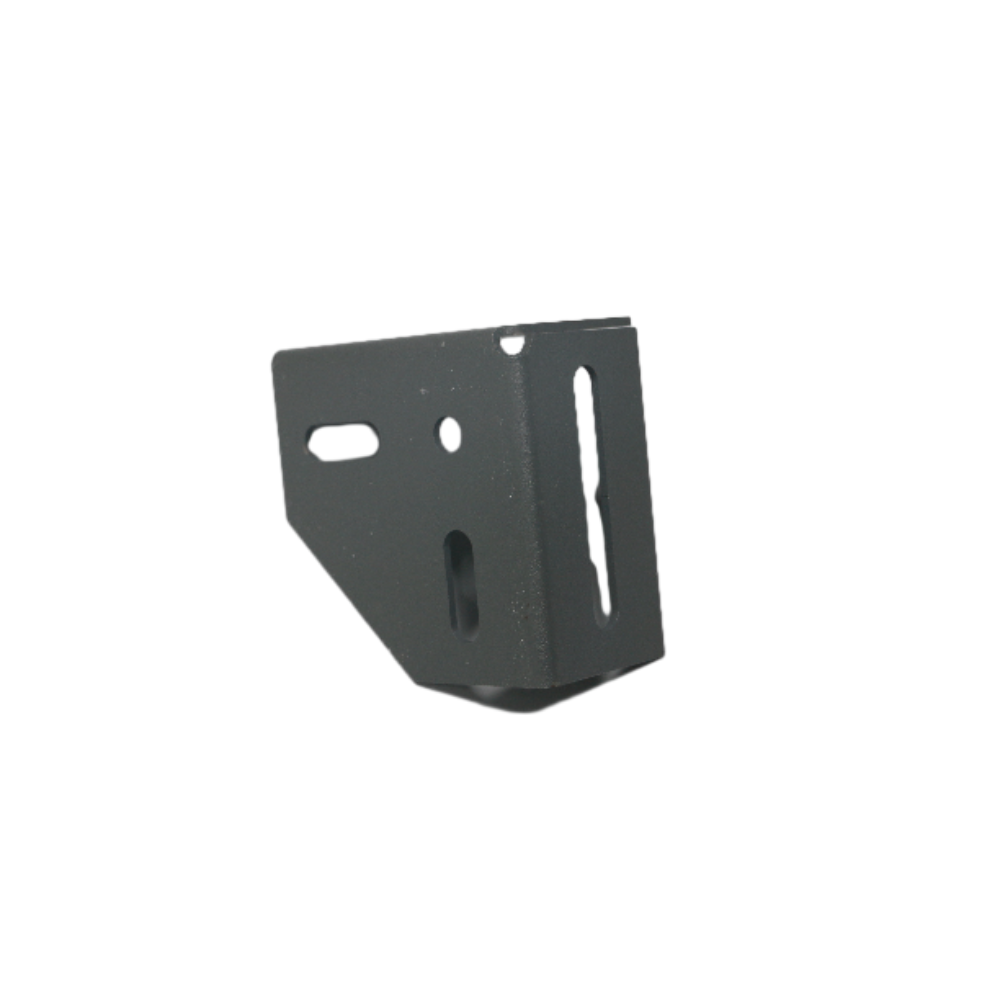
connecting angles


In steel structures, connecting angles are usually used to connect two components to form a stable structural system. The shape and size of the connecting angle steel vary according to different application scenarios and requirements, but it is usually made of 90° bent angle steel as the main material, which is connected to other components by welding or bolting. The connection methods of connecting angle steel are mainly as follows: 1. Bolt connection: The connecting angle steel can be connected with other components through bolts, which has the advantages of convenient installation and reliable connection, but it is necessary to pay attention to the tightness of the bolt and the problem of anti-loosening. 2. Welded connection: the connecting angle steel can be connected with other components by welding, which has the advantages of convenient construction and reliable connection, but it is necessary to pay attention to the welding quality and anti-corrosion treatment of the weld. 3. Plug-in connection: The connecting angle steel can be connected with other components by plugging, which has the advantages of convenient construction and reliable connection, but it is necessary to pay attention to the size and accuracy of the plug-in. 4. Hook connection: the connecting angle steel can be connected with other components through the hook connection, which has the advantages of convenient construction and reliable connection, but it is necessary to pay attention to the size and accuracy of the hook. Equal and unequal angles are two different types of angles. The width of the two sides of the equilateral angle is equal, e.g. 30 mm× 30 mm× 3 mm, 30 mm is the width of both sides, and 3 mm is the thickness of the angle. Equilateral angle steel is mainly used in the structural support and connection of various construction and engineering projects, such as the connection of beams and columns, beams and beams, etc. Unequal angles are those with different angles, such as 25 mm× 32 mm× 4 mm, 25 mm for the short side, 32 mm for the long side, and 4 mm for the thickness of the angle. Unequal angle steel is also widely used in various municipal utilities, civil buildings and military industrial structures and engineering structures, such as industrial beams, bridges, transmission towers, lifting and transportation machinery, ships, industrial furnaces, reaction towers, container racks and warehouses.