
Essential details
Shipping:express delivery
Product Introduction
Solder-free base Size
Make by customized different size

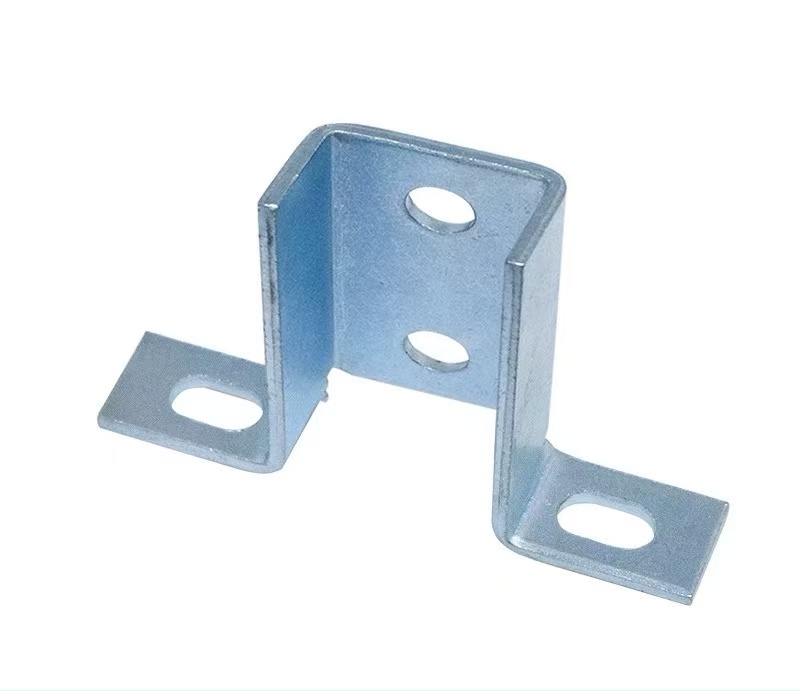
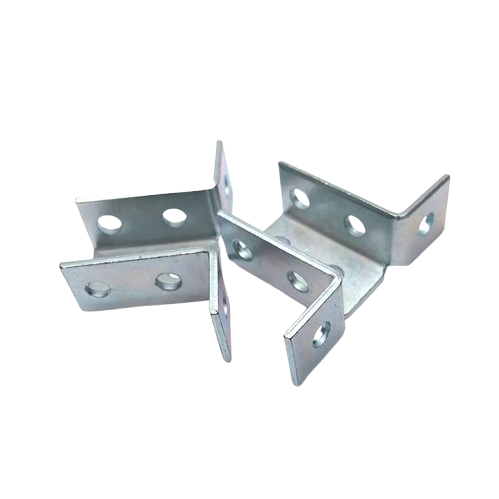
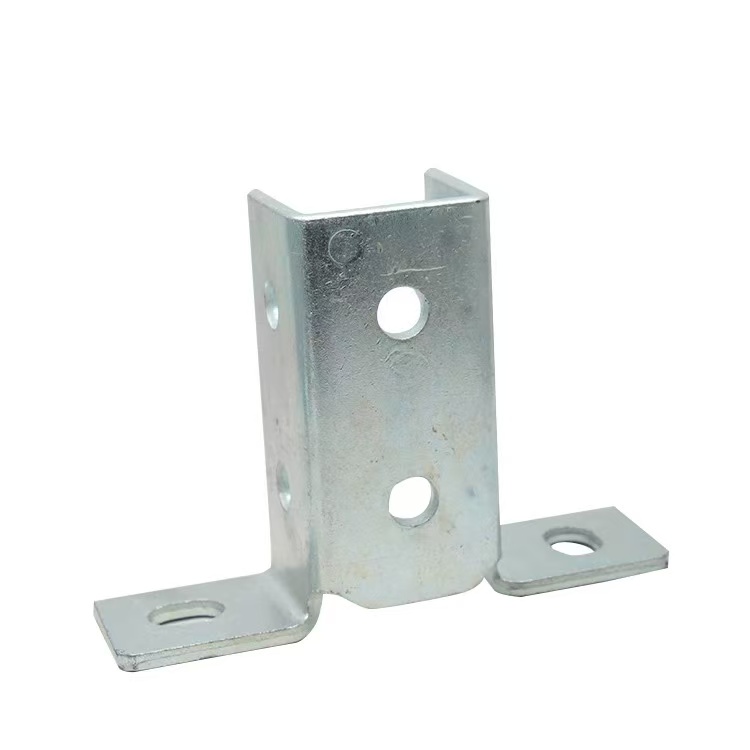
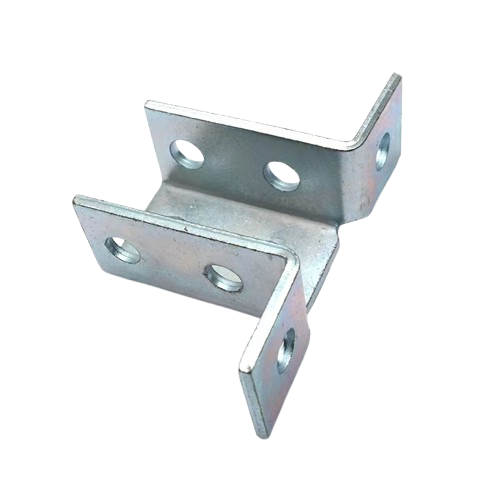
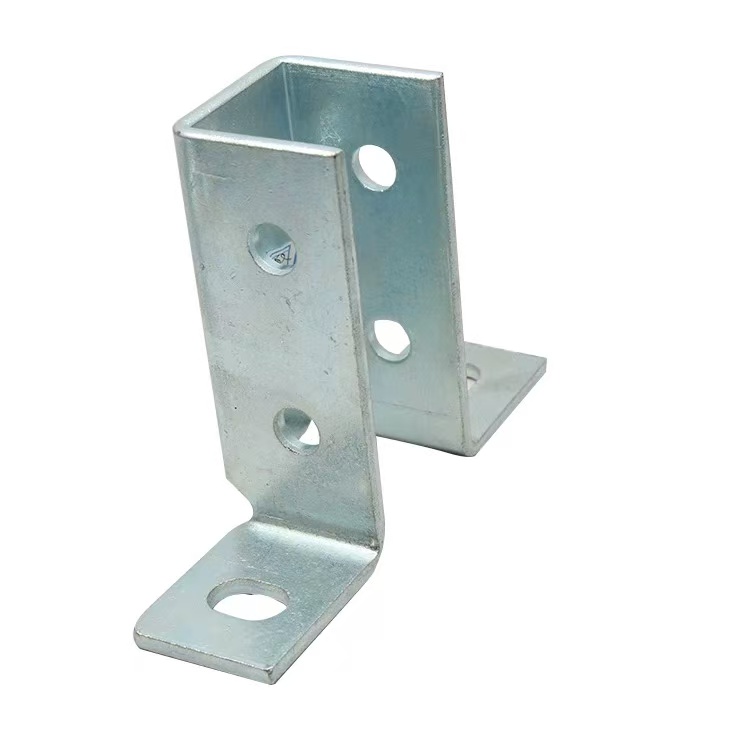
Solder-free base
Here are the main styles of solder-free base technologies based on the search results:
1. Vacuum Sputtering/Deposition-Based Encapsulation
- Uses vacuum sputtering to deposit insulating and conductive layers, followed by UV/IR laser engraving to form pads and conductive traces, eliminating the need for wire bonding .
- Applied in chip packaging, such as memory chips, reducing impedance and improving miniaturization .
- Uses vacuum sputtering to deposit insulating and conductive layers, followed by UV/IR laser engraving to form pads and conductive traces, eliminating the need for wire bonding .
- Applied in chip packaging, such as memory chips, reducing impedance and improving miniaturization .
2. Plasma Cleaning-Assisted Fluxless Vacuum Soldering
- Used in power module packaging, combining plasma cleaning with vacuum soldering to reduce voids and improve welding quality .
- Used in power module packaging, combining plasma cleaning with vacuum soldering to reduce voids and improve welding quality .
3. Silver-Free Copper-Based Solder Alternatives
- Replaces traditional silver-containing solders with high-strength copper-phosphorus (Cu-P) alloys, reducing costs while maintaining performance .
- Replaces traditional silver-containing solders with high-strength copper-phosphorus (Cu-P) alloys, reducing costs while maintaining performance .
4. Direct Film Plating for Semiconductor Packaging
- Uses methods like vacuum evaporation, sputtering, electroplating, or chemical plating to form conductive traces directly on chips and substrates, avoiding wire bonding and reflow soldering .
- Applied in LED packaging to simplify processes and reduce thermal stress.
- Uses methods like vacuum evaporation, sputtering, electroplating, or chemical plating to form conductive traces directly on chips and substrates, avoiding wire bonding and reflow soldering .
- Applied in LED packaging to simplify processes and reduce thermal stress.
5. Thermal Conductive Adhesive Bonding
- Replaces solder with thermally conductive resin coatings (filled with metal particles) to bond heat pipes and heat sinks, improving thermal conductivity while avoiding toxic soldering processes.
- Replaces solder with thermally conductive resin coatings (filled with metal particles) to bond heat pipes and heat sinks, improving thermal conductivity while avoiding toxic soldering processes.
6. Compression-Mount RF Connectors
- Uses mechanical compression for PCB connections without soldering, suitable for high-frequency and thin-substrate applications .
- Uses mechanical compression for PCB connections without soldering, suitable for high-frequency and thin-substrate applications .
7. Lead-Free Solder Wire Alternatives
- Although not entirely solder-free, lead-free solders (e.g., Sn-Cu, Sn-Ag-Cu) provide environmentally friendly options with good wettability and conductivity .
- Although not entirely solder-free, lead-free solders (e.g., Sn-Cu, Sn-Ag-Cu) provide environmentally friendly options with good wettability and conductivity .
These technologies are widely used in semiconductor packaging, power electronics, RF communications, and thermal management, offering advantages such as cost reduction, miniaturization, and environmental friendliness. For more details, you can refer to the original sources.


